


 Smriti Gupta
 25 Sep-2026
 Healthcare Recruitment
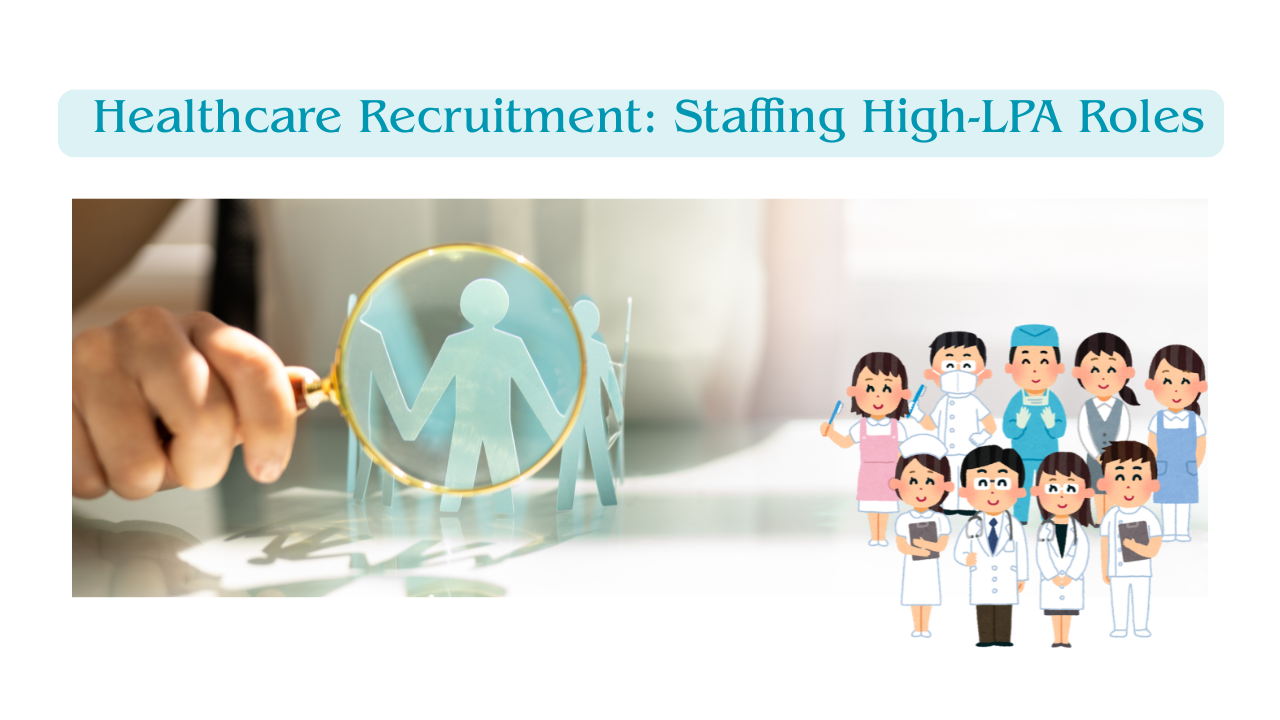
Filling a regular position is not the same as hiring a senior healthcare professional. Hospitals, diagnostic facilities, pharmaceutical businesses, and healthcare startups need professionals with clinical experience, leadership capabilities, and measurable outcomes to handle senior and high-responsibility positions.
The healthcare sector is expanding across hospitals, specialty centers, pharmaceutical companies, medical technology businesses, digital health platforms, and research organizations. This growth is increasing the need for specialized professionals who can combine healthcare staffing solutions and leadership capabilities. This blog explores the demand for high-LPA healthcare professionals, the challenges involved in hiring senior talent, effective hiring strategies, and the role of recruitment partners in filling critical leadership positions.
The healthcare industry is now growing beyond conventional clinics and hospitals. Digital health platforms, specialty centers, pharmaceutical services, medical technology, health insurance, and research organizations are creating new opportunities for experienced professionals. Advances in healthcare technology and research are increasing demand for professionals with specialized knowledge and experience.
Several factors are contributing to this demand:
Healthcare organizations are expanding more specialized services such as:
These areas require Experienced physicians, clinical directors, hospital administrators, and operational executives who can manage specialized services.
Telemedicine, home healthcare, health technology, and personalized care are areas where healthcare startups are growing. These companies require experts who are knowledgeable about both business management and healthcare delivery.
Healthcare organizations must uphold high standards of patient care. They must also oversee clinical audits, accreditation, regulatory compliance, and patient experience. Professionals with experience can assist in developing systems that lower operational risks and increase quality.
The delivery of healthcare services is evolving due to technology. Professionals who can integrate clinical expertise with technology are needed for data-driven decision-making, remote monitoring, artificial intelligence, and electronic health records.
Healthcare executives with expertise in innovation and digital transformation now have widespread opportunities.
There might be more entry-level medical professionals available. However, it is more difficult to locate experts with a wealth of experience and leadership skills. A variety of abilities are needed for high-LPA roles, which narrows the talent pool.
The more senior and well-paying a position is, the more specific the requirements tend to become.
Recruiters need to consider more than just academic credentials. They need to be aware of a candidate's long-term fit, clinical experience, leadership style, and business impact.
Senior medical professionals are often already in jobs. They might not actively use public platforms to look for work. Confidential discussions via reliable professional networks are preferred by many. This reduces the effectiveness of typical recruitment strategies for leadership hiring.
Healthcare leadership positions typically necessitate multiple qualifications and professional certifications.
The evaluation criteria vary according to the specific role and may include medical credentials, specialized certifications, professional licensing, clinical experience, management training, compliance and regulatory expertise. The validation of these credentials demands considerable time investment and specialized sectoral expertise.
Healthcare institutions and medical enterprises frequently compete for the same pool of qualified professionals. Highly qualified candidates often secure multiple employment offers from competing organizations.
A senior position title does not inherently ensure effective leadership capabilities. Employers must evaluate whether the candidate demonstrates the ability to oversee cross-functional teams, enhance patient care outcomes, manage resources, address interpersonal disputes, and facilitate organizational transformation. These competencies can be difficult to evaluate through application alone.
Executive recruitment frequently involves proprietary and sensitive data. Organizations may wish to maintain discretion regarding planned growth initiatives, organizational restructuring, or leadership openings. A structured recruitment approach must safeguard the confidentiality of all involved parties.
Senior-level appointments typically require multiple assessment phases and organizational approvals. Longer recruitment timelines can negatively impact hospital functioning and team productivity. An unfilled senior leadership position may also create additional strain on current personnel.
Experienced high-earning candidates typically possess awareness of their professional market value. They may seek compensation packages that correspond to their qualifications, scope of responsibility, and professional track record. Organizations must reconcile candidate compensation demands with existing wage frameworks and financial constraints.
A comprehensive senior healthcare recruitment strategy emphasizes precision, efficiency, and the quality of the candidate experience.
Before initiating recruitment, employers should establish:
For executive positions, articulate the criteria for success within the initial six to twelve months.
Organizational nomenclature for positions frequently differs across institutions.
Senior professionals in high-earning positions typically do not engage with broad recruitment announcements. Recruitment specialists should source qualified individuals through professional membership organizations, networks, and employee and professional recommendations. A focused candidate pool enhances the relevance of shortlisted applicants.
Preliminary evaluation should validate fundamental qualifications and professional alignment. Systematic assessment reduces administrative burden for both recruitment personnel and applicants.
Rather than relying exclusively on conventional interview questions, employ scenario-based assessment methodologies. For example:
These questions demonstrate authentic problem-solving and strategic thinking capabilities.
Senior professionals assess factors extending beyond compensation. A compelling employer value proposition includes executive authority, career advancement opportunities, Performance-based compensation, and organisational culture.
Senior applicants frequently disengage when information exchange lacks clarity. Recruitment professionals must communicate: assessment phases, projected completion timeframes, remuneration framework, onboarding requirements. Regular communication minimises late-stage candidate attrition.
Experienced healthcare recruitment consultants assist organisations in overseeing the entire recruitment lifecycle, spanning from position specification through employee integration. They leverage sector-specific knowledge alongside recruitment proficiency to locate qualified professionals who remain inaccessible through conventional recruitment methods.
Numerous senior healthcare professionals are not actively pursuing employment opportunities.
Recruitment partners can establish contact with passive candidates via their professional networks and discreet communication.Healthcare recruitment necessitates an understanding of distinctions among clinical, managerial, operational, and business-focused roles. This enhances the precision of candidate selection.
Recruitment partners conduct preliminary assessments of candidates. They authenticate qualifications, evaluate suitability for the position, and identify professionals fulfilling the predetermined specifications. This minimises the effort hiring supervisors dedicate to evaluating inappropriate submissions.
Healthcare executive search specializes in identifying candidates for senior-level and confidential positions within the healthcare sector. Executive search prioritizes leadership effectiveness, organizational cultural alignment, and strategic organizational objectives.
Recruitment partners possess the capability to conduct sensitive recruitment initiatives with discretion and confidentiality. This approach proves advantageous when organizations are transitioning senior leadership positions, expanding into new geographic markets, or establishing newly formed departments.
Recruitment specialists deliver comprehensive market intelligence regarding compensation ranges and the availability of qualified talent. This information enables employers to establish competitive and realistic compensation structures. Accurate market data mitigates potential hiring delays resulting from uncompetitive salary proposals.
A qualified recruitment partner functions as an intermediary facilitating effective communication between prospective employers and candidates. They establish transparent expectations, coordinate interview logistics, communicate assessment results, and facilitate offer discussions.
A favorable recruitment experience strengthens organizational brand perception and employer reputation.
Looking to strengthen your healthcare team with experienced professionals for high-LPA roles? Partner with Orbis HR Solutions for tailored healthcare recruitment and leadership hiring solutions. Contact us today to discuss your hiring requirements and find the right talent for your organisation.